
Forex Trading & Prop Firm Blog
Join 1000+ Subscribers
Get exclusive access to the latest Prop Firm blog research, trends, and best practices across Trading and prop firms.
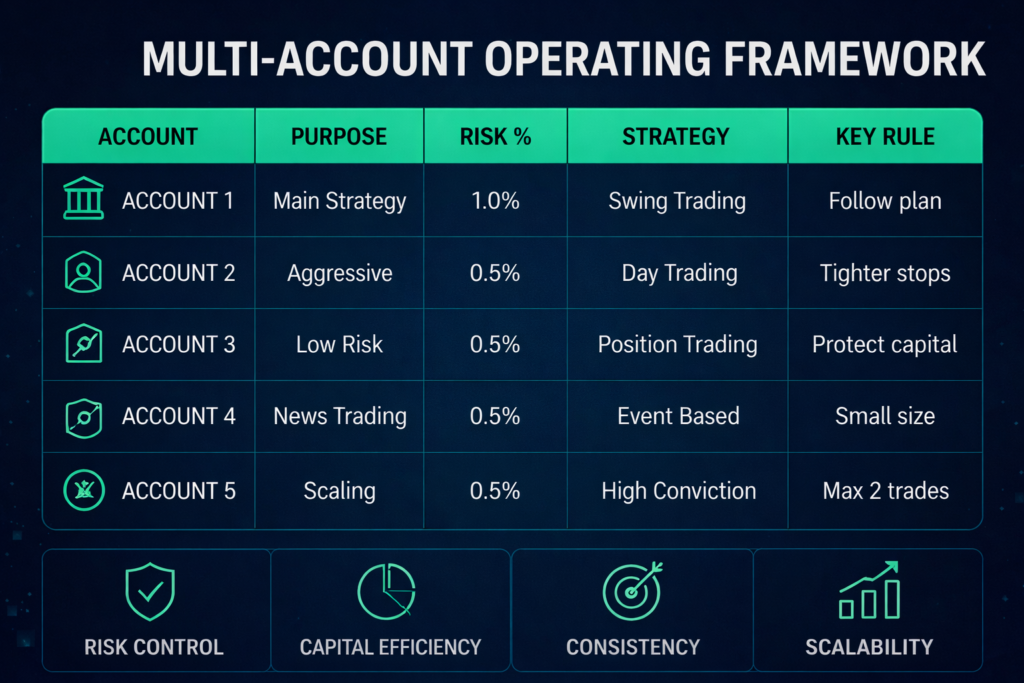
How to Manage Multiple Prop Firm Accounts Without Breaking the Rules
Affiliate disclosure: This article contains affiliate links. Prop Firms Compare may receive a commission if…
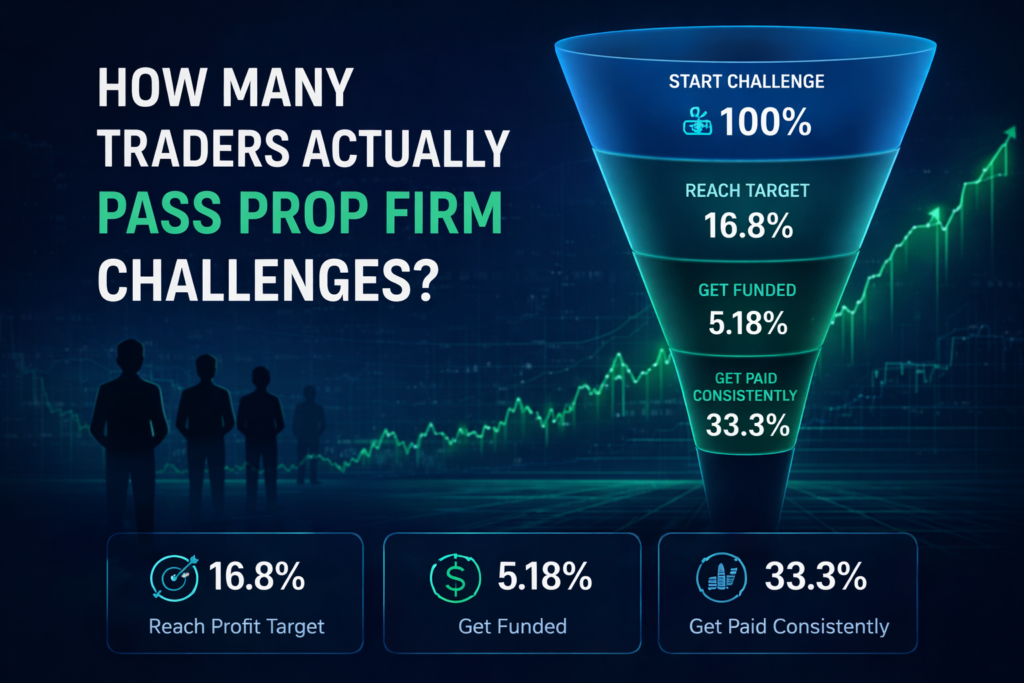
How Many Traders Actually Pass Prop Firm Challenges
How Many Traders Actually Pass Prop Firm Challenges? Claims about prop firm challenge pass rates…

Why Most Funded Traders Fail: Insider Insights from the Prop Industry
Why Most Funded Traders Fail: Insider Insights from the Prop Industry The rise of proprietary…
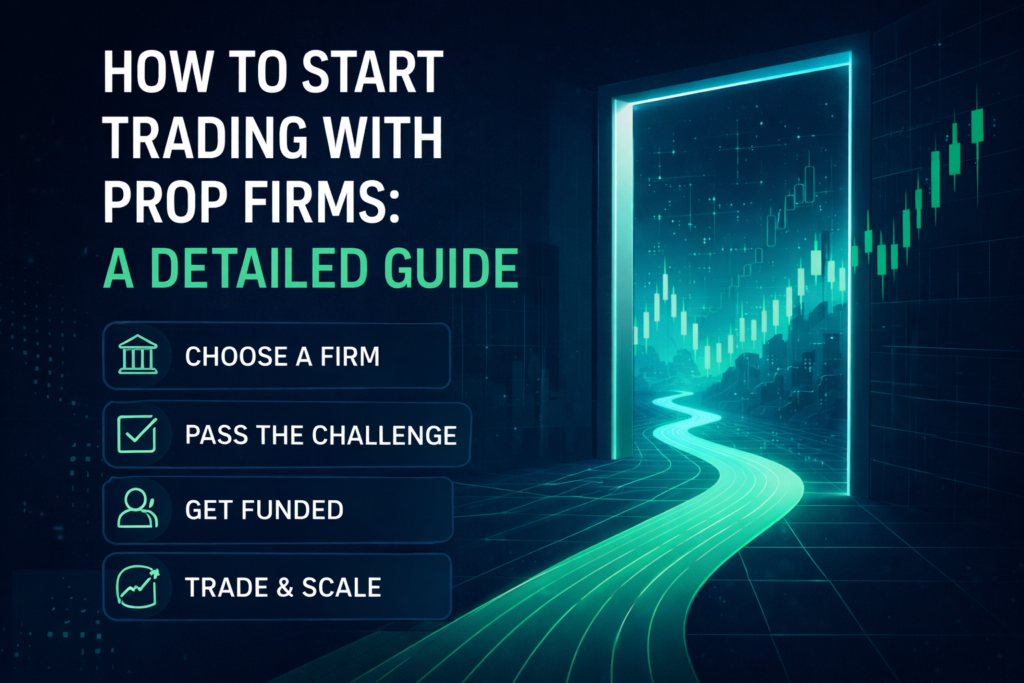
How to Start Trading with Prop Firms: A Detailed Guide
How to Start Trading with Prop Firms: A Detailed Guide Want to start trading with…

Top trading psychology books for traders
Top trading psychology books for traders (2026) Trading psychology is one of the most overlooked…
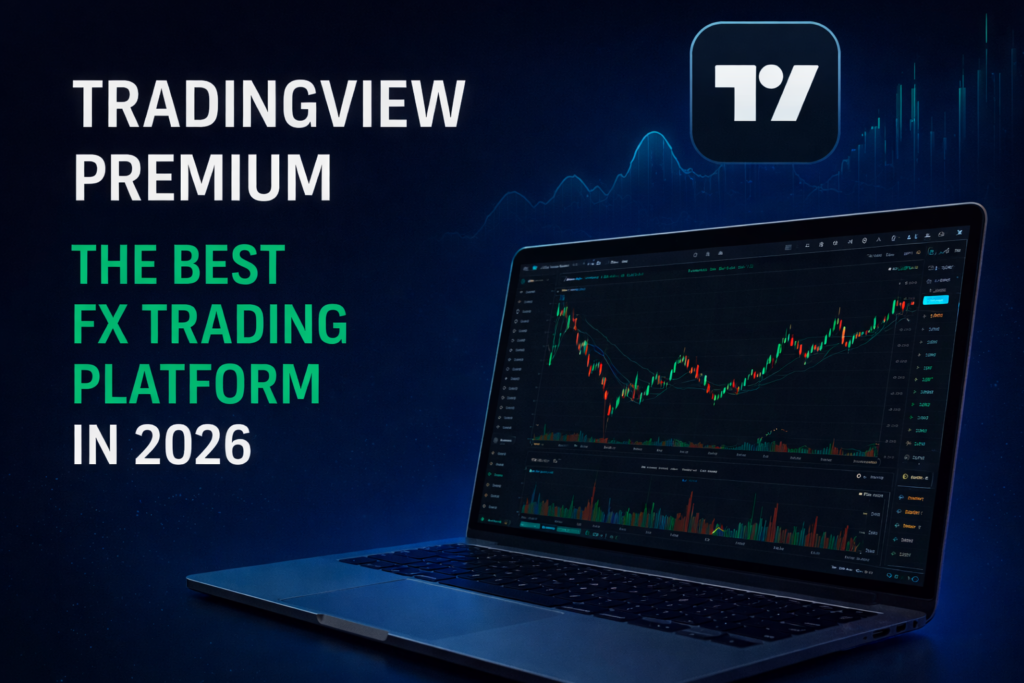
TradingView premium – The Best FX Trading Platform in 2026
TradingView Premium – The Best FX Trading Platform in 2026 In the dynamic world of…
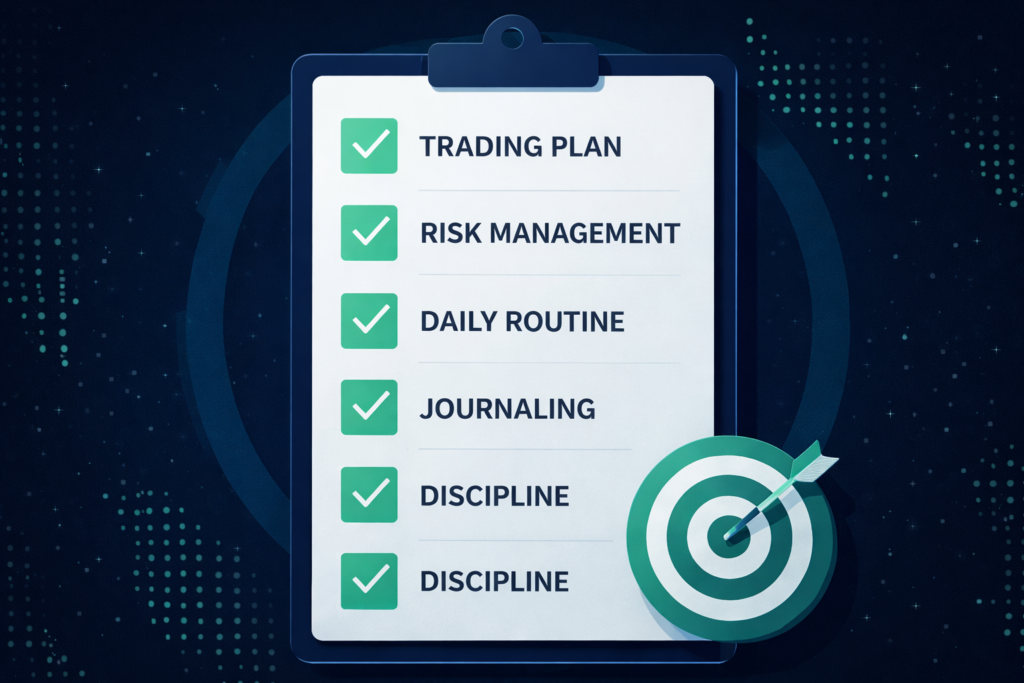
How to create a Trading Plan
How to create a Trading Plan: Step-by-step guide for Profitable & Consistent Trading Creating a…

Forex Trading Journal – Boost Your Trading Performance
Forex Trading Journal – Boost Your Trading Performance Forex trading is a game of probabilities,…
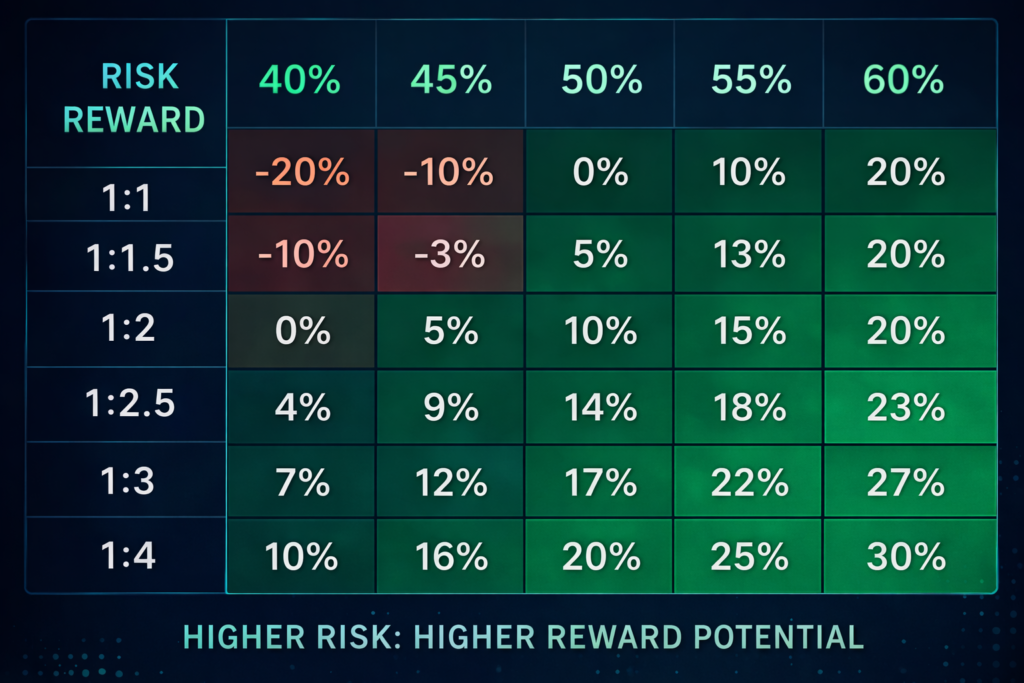
Trading losing streak
Trading losing streak: Understanding wins and loses distribution A trading losing streak occurs when a…
Get Practical Prop Trading Insights by Email
Receive newly published articles, calculator updates and important additions to our prop firm research.
No trade signals, unrealistic income claims or daily promotional emails.
Explore practical articles about prop firms, funded trading challenges, risk management, trading psychology and the tools traders use to improve their decision-making.
Our prop firm blog focuses on the parts of trading that matter beyond promotional account sizes: drawdown, position sizing, losing streaks, discipline, platform choice and whether a funded account genuinely suits your strategy.
Browse Prop Firm Guides Funded Trading Trading Psychology Platforms and Tools
Start With These Featured Articles
New to Prop Firms Compare? These articles cover three of the most important stages: starting with prop firms, managing losses and protecting a funded account.
Getting started
How to Start Trading With Prop Firms
Follow a practical roadmap for assessing your readiness, researching account programmes and preparing for a funded trading evaluation. Read the prop firm starting guide
Funded accounts
Why Funded Traders Lose Their Accounts
Examine the risk-management, psychological and execution mistakes that can end an account even after a trader has passed the evaluation. Read why funded traders fail
Risk management
How to Manage a Trading Losing Streak
Understand why consecutive losses occur, how they affect drawdown and when a trader should pause, reduce risk or continue following the plan. Learn how to manage losing streaks
Latest Prop Firm and Trading Articles
Read our latest analysis, educational articles and practical resources for prop firm and forex traders.
Prop Firms and Funded Trading
These articles explore how retail prop firms work, what happens during an evaluation and why passing a challenge is only the beginning of managing a funded account.
Starting With Prop Firms
Learn how to assess your readiness, choose an account programme and avoid paying for a challenge before you have a tested strategy.Learn how to start with prop firms
Understanding Prop Firm Challenges
Build a practical evaluation plan around profit targets, drawdown limits, trading frequency and risk per trade. Read the prop firm challenge guide
Life After Passing
Understand why traders can lose funded accounts through excessive exposure, emotional decisions and failure to adapt to the funded-stage rules. See why funded traders fail
Still learning the basics? Visit our structured learning centre for beginner guides covering prop firm accounts, challenges, rules and funded trading. Explore All Prop Firm Guides
Trading Risk Management Articles
Risk management determines how much damage a normal losing sequence can cause. These articles help traders create repeatable rules for position sizing, drawdown and performance review.
Trading Losing Streaks
Learn how losing sequences occur and why increasing position size to recover can turn ordinary variance into serious drawdown. Understand losing-streak risk
How to Create a Trading Plan
Document your setups, markets, trading times, entry conditions, exits and account-risk limits in one repeatable process. Create a practical trading plan
Using a Forex Trading Journal
Record trades and review whether results came from the strategy, market conditions or inconsistent execution. Improve your trading journal
Turn Risk Rules Into Practical Numbers
Use our free calculators to measure position size, trade profit, account drawdown, compound growth and prop firm challenge probability. View Free Trading Tools
Trading Psychology and Performance
A strategy is only useful when the trader can execute it consistently. Our psychology and performance articles focus on discipline, decision-making and responding to difficult trading periods.
Trading Psychology Books
Explore selected books covering probability, discipline, decision-making and the emotional challenges traders face. View trading psychology books
Responding to Losing Streaks
Learn how to separate normal strategy variance from overtrading, poor execution and emotional reactions. Manage a trading losing streak
Why Funded Traders Fail
Examine how target pressure, increased risk and inconsistent behaviour can continue after a challenge has been passed. Review funded-trader mistakes
Trading Platforms and Tools
Platforms and calculators should support a trading process rather than replace one. Read our platform content and use the free tools to plan risk before placing a trade.
TradingView Premium
Review the main paid TradingView features and decide whether they provide enough value for your charting and analysis workflow. Read the TradingView Premium guide
Prop Firm Probability Calculator
Estimate how your win rate, risk per trade and reward-to-risk ratio could affect your chance of passing a challenge. Calculate your challenge probability
Trading Calculator Collection
Calculate position size, pip value, profit, drawdown and hypothetical account growth. Browse all trading calculators
Researching a Prop Firm?
Educational articles can help you understand what to look for. Use our commercial research pages when you are ready to compare individual firms and account programmes.
Compare Prop Firms
Compare selected account conditions and important programme features side by side. Open the comparison tool
View Prop Firm Rankings
Explore our assessment of selected firms by programme type and trader profile. View the best prop firms
Read Detailed Reviews
Research individual firms, trading rules, platforms, account structures and potential drawbacks. Browse prop firm reviews
Check Current Discounts
Compare current challenge offers, eligibility and verification details before paying a fee. View prop firm discount codes
How We Approach Our Trading Content
Prop Firms Compare publishes educational articles to help traders understand funded-account rules, risk and trading performance more clearly.
Our articles aim to:
- answer a specific trading or prop firm question;
- separate verified information from opinion;
- use realistic examples rather than guaranteed outcomes;
- highlight both potential benefits and risks;
- link to relevant tools, reviews and supporting guides;
- and update time-sensitive account information when required.
Prop firm prices, rules, platforms and payout conditions can change. Verify current programme terms directly with the relevant firm before paying for an evaluation.
Learn more about how we assess and rank prop firms.
Prop Firm Blog FAQs
The blog covers funded trading, prop firm challenges, trading psychology, risk management, losing streaks, trading journals, platforms and tools.
The guides section contains structured, evergreen resources for learning about prop firms and challenges. The blog contains individual articles, analysis, platform content and broader trading-performance topics.
Yes. The articles and calculators linked from the blog can be accessed without paying a subscription fee.
Some articles may link to prop firms or relevant services through affiliate links. Prop Firms Compare may receive a commission if a reader makes a purchase, at no additional cost to the reader.
Articles are reviewed when material information changes or when new research, tools or examples can improve their usefulness.
Use the comparison tool to view selected firms side by side, the rankings to explore firms by trader type or the review hub to research individual providers.
Important: Blog content is provided for education and research. It does not constitute financial advice or guarantee trading results.
Last reviewed: June 2026. Published by Prop Firms Compare. Trading leveraged products and prop firm evaluations involves a risk of financial loss.
Some pages linked from this blog contain affiliate links. Prop Firms Compare may receive a commission when a purchase is completed, at no additional cost to the reader.