How to create a Trading Plan: Step-by-step guide for Profitable & Consistent Trading
Creating a solid and profitable financial trading plan involves detailed planning, disciplined execution, and continuous learning. If you are aiming to pass a prop firm challenge, it is necessary that you have a trading plan that you can follow rigorously. Here’s a step-by-step tutorial to guide you through the process:
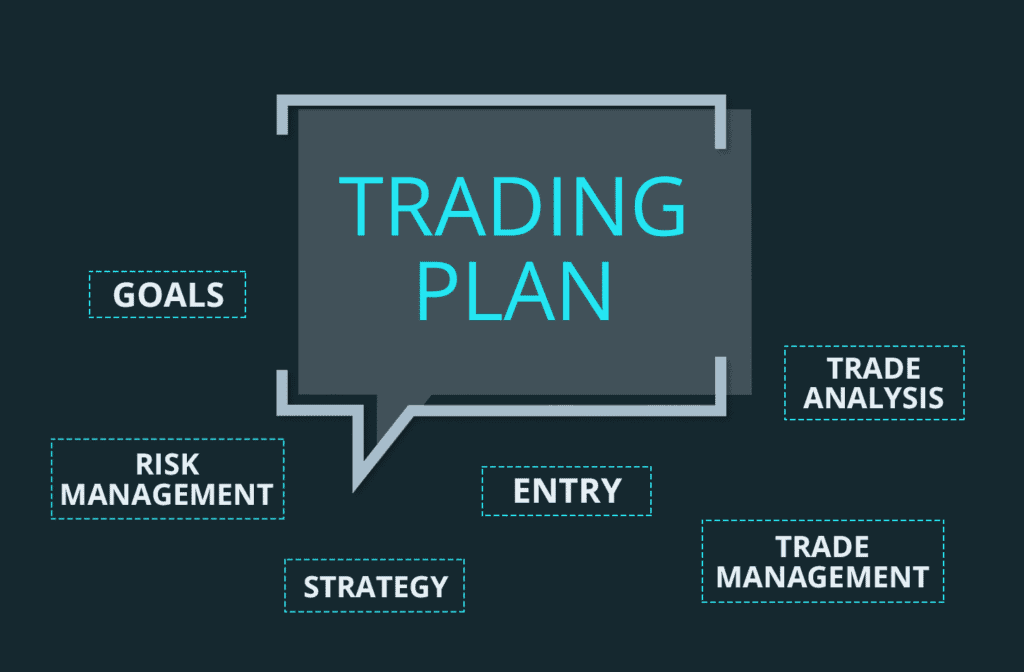
Steps for how to create a Trading Plan.
Step 1: Define Your Trading Goals
Defining your trading goals is the foundation of creating a trading plan that leads to long‑term consistency and profitability. Before you write any entry or exit rules, you need to establish why you are trading and what you want to achieve—whether it’s building wealth, improving discipline, or passing a prop firm challenge. Clear goals help shape the overall structure of your strategy, influence your risk tolerance, and guide the components of a trading plan you’ll rely on every day. Many beginners underestimate the power of setting specific targets, but doing so can significantly improve trading psychology and reduce emotional decision‑making.
Your trading goals should also align with measurable performance metrics such as win rate, risk‑to‑reward ratio, and drawdown limits. These metrics form the backbone of a trading plan checklist and allow you to track progress through a trading journal and metrics dashboard. Whether you want to become a more consistent trader, improve your execution, or refine a particular trading strategy, having well‑defined objectives will help you stay accountable and avoid unnecessary changes to your system. A clear roadmap not only strengthens your trading discipline but also ensures your plan evolves based on data—not emotions.
Identify Your Objectives in your plan
It is important that you write down the biggest motivation behind trading. Either it is freedom or being able to improve your life, that is the main objective that will give you strength to works towards consistency and patience.
- Short-term Goals: Why you want to trade.
- Long-term Goals: Building wealth over time, retirement planning.
Set Realistic Expectations
Setting realistic expectations is a crucial part of creating a trading plan that supports long‑term consistency and emotional stability. Many traders enter the markets expecting fast profits, but a sustainable approach focuses on steady growth, controlled risk, and disciplined execution. By understanding that not every month will be profitable and that drawdowns are a normal component of any trading strategy, you avoid the common trap of overtrading or switching systems too quickly. Realistic targets—such as focusing on a strong risk‑to‑reward ratio, maintaining healthy drawdown limits, and following a structured trading plan checklist—help you stay grounded and aligned with your long‑term goals. When your expectations match market realities, you build stronger trading discipline, reduce emotional stress, and lay the foundation for becoming a more consistent trader.
- Understand the potential risks and rewards.
- Avoid unrealistic profit expectations. A realistic expectation would be around 40% – 80% per year.
- Keep in mind that not all months are positive.
Step 2: Choose Your Trading Style
Choosing your trading style is one of the most important steps when creating a trading plan, because it determines how you interact with the market and what type of strategy will suit your personality. Whether you prefer day trading, swing trading, or position trading, your style should align with your risk tolerance, available time, and emotional temperament. Traders who value fast decision-making and frequent setups may gravitate toward day trading, while those seeking a calmer pace might prefer swing or position trading. Defining your trading style early helps shape every other component of a trading plan, including your entry and exit rules, risk‑to‑reward ratio, and position sizing strategy.
Your chosen trading style also influences how you structure your trading plan template and what tools or indicators you will focus on. For example, a swing trader may rely heavily on support and resistance, trendlines, and higher‑timeframe analysis, while a scalper may prioritize speed, volatility, and mechanical entry conditions. This decision also affects the kind of trading strategy you will build and how you document it within your plan. By matching your trading style with your personality and long‑term goals especially if you’re preparing for a prop firm challenge you’ll avoid unnecessary stress, build better discipline, and increase your chances of becoming a more consistent trader.
Determine Your Trading Timeframes
When creating you trading plan is crucial to define what type of trader you are. If you are less patience probably the longer timeframes are not the best option for you. Instead choose a trading style that fits your personality, that will help you control your emotions and will get you closer to get you funded.
- Day Trading: Buying and selling within the same day.
- Swing Trading: Holding positions for several days or weeks.
- Position Trading: Long-term holding, spanning months or years.
Match Trading Style to Your Personality
Matching your trading style to your personality is essential for building a profitable trading plan that you can follow consistently. Every trader has different levels of patience, emotional tolerance, and decision-making speed, which means a strategy that works for someone else may not work for you. If you prefer fast-paced environments and quick results, day trading may suit your temperament; if you value patience and calmer decision-making, swing or position trading could be a better fit. Aligning your style with your personality reduces emotional stress, helps you avoid overtrading, and supports stronger discipline key elements in any effective trading plan template. This self-awareness is especially important for traders preparing for a prop firm challenge, where risk management and consistency matter more than aggressive profit targets.
- Consider your risk tolerance, available time, and market knowledge. This is the defining how much you will risk per trade or how many trades are you taking in a week.
Step 3: Conduct Market Research
Conducting thorough market research is a critical part of creating a trading plan, as it shapes your strategy, enhances your decision‑making, and helps you understand the underlying forces driving price movements. Traders who rely solely on intuition often struggle with consistency, while those who study technical analysis, chart patterns, and key market indicators tend to build stronger, more data‑driven trading strategies. Effective research includes analyzing candlestick patterns, support and resistance levels, trendlines, and momentum indicators such as RSI or MACD. These tools help refine your trading plan template by providing objective entry and exit criteria that reduce emotional decisions and improve long‑term discipline.
Market research also involves understanding fundamental analysis, which plays a major role in how markets move, especially during high‑impact economic events. Reviewing economic calendars, monitoring inflation data, employment reports, and interest rate decisions allows you to anticipate market volatility and plan trades accordingly. For traders preparing for a prop firm challenge, staying informed is essential because fundamentals can influence risk‑to‑reward ratios, drawdown limits, and overall trade timing. By combining both technical and fundamental insights, you create a more complete trading strategy, increase your confidence, and build a trading plan that supports consistent performance across changing market conditions.
Study Market Fundamentals
It is important to be informed when trading. We recommend that you use an economic calendar so you will be updated with the latest economic releases and economic news that are happening around the world.
- Economic Indicators: GDP, employment rates, inflation.
- Company Analysis: Financial statements, earnings reports. (For Stocks)
Analyze Technical Indicators
- Price Charts: Candlestick patterns, trend lines, support and resistance.
- Indicators: Moving averages, RSI, MACD.
Step 4: Develop a Trading Strategy
Developing a trading strategy is one of the most important steps in creating a trading plan, because it defines the exact conditions under which you enter and exit the market. A strong strategy should be mechanical, rules‑based, and supported by both technical and fundamental analysis. This includes defining the chart patterns, indicators, or market structures that signal a valid setup, as well as outlining your stop‑loss, take‑profit, and risk‑to‑reward ratio guidelines. By documenting these rules clearly in your trading plan template, you eliminate guesswork and reduce the emotional decision‑making that often leads to inconsistencies. A well‑defined trading strategy also serves as the backbone of any successful prop firm challenge, where discipline and consistent execution matter more than taking high‑risk trades.
Your trading strategy should also include a complete position sizing strategy, guidelines for managing open trades, and rules for adapting to different market conditions such as trends, consolidations, or high‑volatility environments. Once your rules are defined, they need to be tested through backtesting and demo trading to verify that your system is logical and sustainable. Keeping detailed records in a trading journal helps identify which setups perform best, what times of day are most profitable, and how your strategy behaves during drawdowns. By combining structured analysis, mechanical rules, and ongoing performance review, you create a reliable strategy that integrates seamlessly into your overall trading plan checklist and sets the foundation for long‑term trading consistency.
Define Entry and Exit Points in your trading plan
When developing your strategy the best way to do it is trough defining very black and white conditions. This way your trading approach is very mechanical so you can avoid subjective analysis and therefore have better consistency.
- Entry Criteria: Conditions under which you will enter a trade.
- Exit Criteria: Conditions for taking profits or cutting losses.
Risk Management Rules
Establishing strong risk management rules is one of the most important components of creating a trading plan, as it directly protects your capital and ensures long‑term consistency. Effective risk management includes defining your maximum risk per trade, selecting an appropriate position sizing strategy, and maintaining a healthy risk‑to‑reward ratio for every setup. These rules should be written clearly within your trading plan template so they remain non‑negotiable during live market conditions. By setting structured limits such as daily drawdown caps, stop‑loss placement guidelines, and maximum number of trades per day you reduce emotional decisions, avoid impulsive mistakes, and create a sustainable framework that is essential for passing any prop firm challenge. Proper risk management doesn’t just minimize l
- Position Sizing: Determine how much to trade per position. Check out our Position Size Calculator.
- Stop-Loss Orders: Predefine the maximum loss you can tolerate.
- Take-Profit Orders: Set profit targets to lock in gains.
Step 5: Create a Trading Plan Document
Creating a trading plan document is essential for transforming your ideas and strategies into a structured, repeatable process. Writing everything down forces clarity—it ensures your trading strategy, risk management rules, and trading goals are no longer vague concepts but clearly defined instructions you can follow consistently. A well‑organized trading plan template should include your entry and exit rules, risk‑to‑reward guidelines, position sizing strategy, preferred trading style, and performance metrics. By documenting these components of a trading plan, you create a personal roadmap that reduces emotional decision‑making and keeps you aligned with your long‑term objectives, whether your goal is consistency, profitability, or preparing for a prop firm challenge.
Your trading plan document should also act as a living, evolving resource that grows with your experience. This includes integrating a trading journal, weekly and monthly review checklists, and clear rules for how you will analyze performance data. Many traders benefit from including backtesting summaries, daily trading routines, and a set of non‑negotiable rules that guide discipline during challenging market conditions. By keeping all this information organized in one place, your trading plan becomes more than a document—it becomes the foundation of your trading discipline and a reliable guide that supports consistent improvement across changing market environments.
Outline Your Strategy
After you have selected all your conditions and criteria, it is crucial to write down all the rules you defined. It can be in a way of a checklist or a word document, it’s up to you. The take away here its that you have something that you can always refer to, making sure you are committing to your plan.
- Market Analysis: Summary of fundamental and technical analysis.
- Trading Rules: Clear entry, exit, and risk management rules. These rules need to be as mechanical as possible to avoid undesired emotions.
Define Your Goals and Objectives
- Financial Targets: Specific profit goals and timelines.
- Performance Metrics: How you will measure success. Its crucial that you keep all your metrics in one dashboard. My trading Journal template offers a dashboard you can customize.
Step 6: Backtest Your Strategy
At this point you have everything outlined. Now its time to test your trading plan. One of the best things you can do it’s to backtest your trading strategy. Make sure you do not spend to much time on this point, remember that historical results do not mean necessarily that they will repeat.
Backtesting your strategy is a crucial part of creating a trading plan, as it allows you to evaluate how your trading rules would have performed using historical market data. By applying your mechanical entry and exit rules to past price movements, you can assess the reliability of your trading strategy, identify potential weaknesses, and confirm whether your setups follow a consistent pattern. Backtesting also helps you refine key components of a trading plan such as your risk‑to‑reward ratio, stop‑loss placement, and position sizing strategy before risking any real capital. This step is essential for traders aiming to build a rule‑based system that removes emotional decision‑making and supports long‑term consistency.
Backtesting also serves as powerful evidence of whether your strategy aligns with your trading personality and overall trading style. Keeping detailed notes or importing your results into a trading journal allows you to track win rate, maximum drawdown, and other performance metrics that help you fine‑tune your trading plan template. For traders preparing for a prop firm challenge, backtesting is especially important, as it ensures your system can operate within strict risk limits and maintain discipline during volatile market conditions. While historical results don’t guarantee future performance, backtesting provides the data you need to move forward with confidence, knowing your strategy is structured, logical, and aligned with your long‑term trading goals.
Historical Data Testing
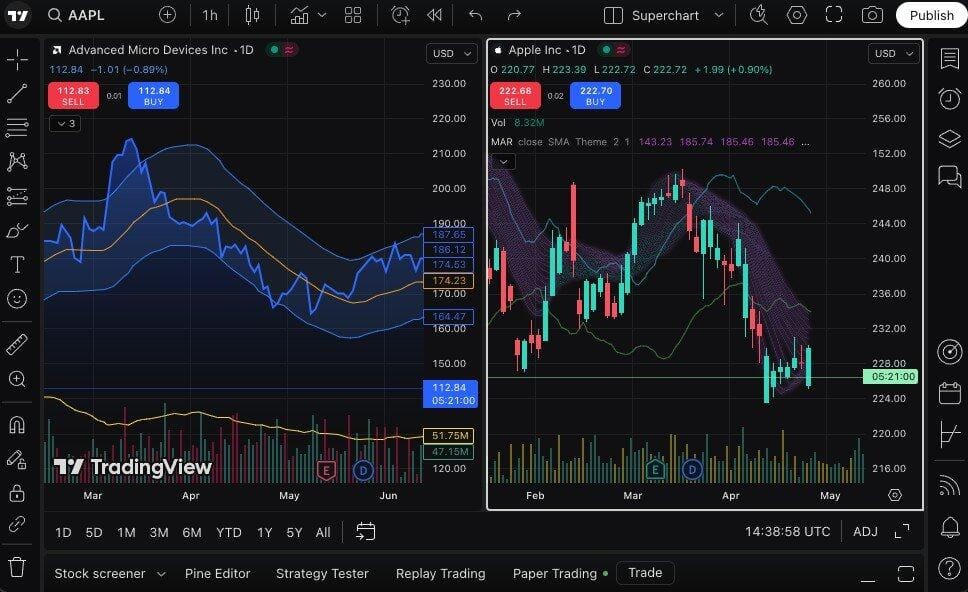
- Apply your strategy to historical market data to see how it would have performed. This can be done in Trading View or MT4 which is offer by most of the prop trading firms
Analyze Backtest Results
- Evaluate profitability, drawdowns, win/loss ratio, and other key metrics.
- For backtesting, I recommend you use the Premium features from Trading View,
- You will be able to replay bars and simulate your trades with historical data.
Step 7: Start Trading
Starting to trade is the stage where all the work you’ve put into creating a trading plan begins to take shape. Once you’ve defined your goals, completed your backtesting, and documented all the components of your trading plan, it’s time to apply your trading strategy in real market conditions. The best way to begin is with a demo account, which allows you to practice execution, refine your position sizing strategy, and test your risk‑to‑reward rules without financial pressure. This step also helps confirm whether your trading style matches your personality and whether your strategy works consistently across changing market environments. A demo phase is especially valuable for building confidence and discipline before transitioning to live trading.
When you’re ready for the next level, you can choose between trading your own capital or participating in a prop firm challenge, where a structured set of risk rules helps reinforce good habits. Regardless of the path you choose, the key is to follow your trading plan template precisely no improvising, no emotional trades, and no breaking your rules. Keep your trading journal updated with every position, including the reason you entered, the outcome, and what you learned. This tracking will provide crucial feedback that you can use when reviewing performance later on. By starting slowly, maintaining discipline, and staying aligned with your trading plan, you set yourself up for long‑term consistency and steady improvement as a trader.
Choose a Prop Firm or Broker
- Select a reputable prop firm or if you decide to trade with a prop firm, choose a trusted Prop Firm that that offers the tools and support you need. For more information look for our Prom Firm Reviews.
Buy and Start your challenge
- Buy a prop firm challenge to get funding. It is important that you buy the right Prop Firm challenge for you. To see different challenges, check out our trusted Prop firms.
Paper Trading
- Practice with a demo account to refine your strategy without risking real money. Some Prop Firms allows you to have free trial without spending any money. Check FTMO review for more info
Step 8: Monitor and Review
Monitoring and reviewing your performance is a vital part of creating a trading plan, because it helps you understand whether your trading strategy is working as intended and where improvements are needed. Consistent monitoring allows you to identify patterns in your trades, such as which setups perform best, which timeframes yield stronger results, and how effectively you follow your risk‑to‑reward rules. Using a trading journal and a detailed analytics dashboard ensures that you track key performance metrics like win rate, maximum drawdown, and average return per trade. These insights form an important component of any trading plan checklist, helping you stay accountable while maintaining discipline and consistency.
Regularly reviewing your results also allows you to adjust your trading plan based on real data rather than emotions. When you analyze your trades weekly or monthly, you’ll begin to notice whether your position sizing strategy is accurate, whether your entries align with your chosen trading style, and whether your strategy fits within the rules of a prop firm challenge. These reviews help prevent impulsive changes while highlighting areas that genuinely require refinement. Over time, this continuous feedback loop strengthens your consistency, improves your trading psychology, and ensures that your trading plan template evolves alongside your growth as a trader.
Track Your Trades
Once you start trading you trading plan, it is very important that you track all your stats. The advantages of trading with a prop firm is that prop firms offer an out of the box metric dashboard that tracks all your trades, so do no need to worry. One of the best trading metrics dashboard we have found is with Alpha Capital prop firm.
- Start documenting every trade with clarity and purpose by using a detailed trading journal that tracks your entries, exits, and the reasoning behind every decision. Want to make it even easier? Simply enter your email and instantly receive your free Trading Journal template the same tool many traders use to boost consistency and accelerate their progress.
Review Performance Regularly
- Analyze your trading results periodically to identify strengths and weaknesses.
Give it at least 4 months for a strategy to work. Be patient and stick to your plan.
Step 9: Adapt and Improve
You have been trading for a while at this point, and its time to do some adjustments. That is why keeping a journal of all your trades is key so you can detect the things that are not working for you and the things you need to be do more of.
Adapting and improving your approach over time is a crucial part of creating a trading plan that remains resilient across changing market conditions. Even the best trading strategy will experience fluctuations, drawdowns, and periods of lower performance, which is why consistent refinement matters. By reviewing your trades and analyzing key performance metrics in your trading journal, you can identify what’s working and what needs adjustment whether that’s your position sizing strategy, your entry filters, or your overall risk‑to‑reward ratio. This ongoing improvement process ensures your trading plan evolves intelligently rather than emotionally, helping you build discipline, confidence, and long‑term consistency.
Continuous improvement is especially important for traders preparing for a prop firm challenge, where strict risk rules and consistency metrics are non‑negotiable. Regularly updating your trading plan template based on real data from backtesting results to live trade reviews—helps you correct weaknesses while reinforcing the strengths of your system. Adaptation shouldn’t mean changing your strategy too quickly; instead, focus on small, data‑driven adjustments informed by your trading plan checklist and performance reviews. Over time, this structured approach allows you to sharpen your edge, strengthen your psychology, and build a trading process that grows with you as a trader.
Plan your trading for Continuous Learning
- Stay updated with market news, new trading strategies, and techniques.
- Attend webinars, read books, and join trading communities.
Adjust Your trading Plan as Needed
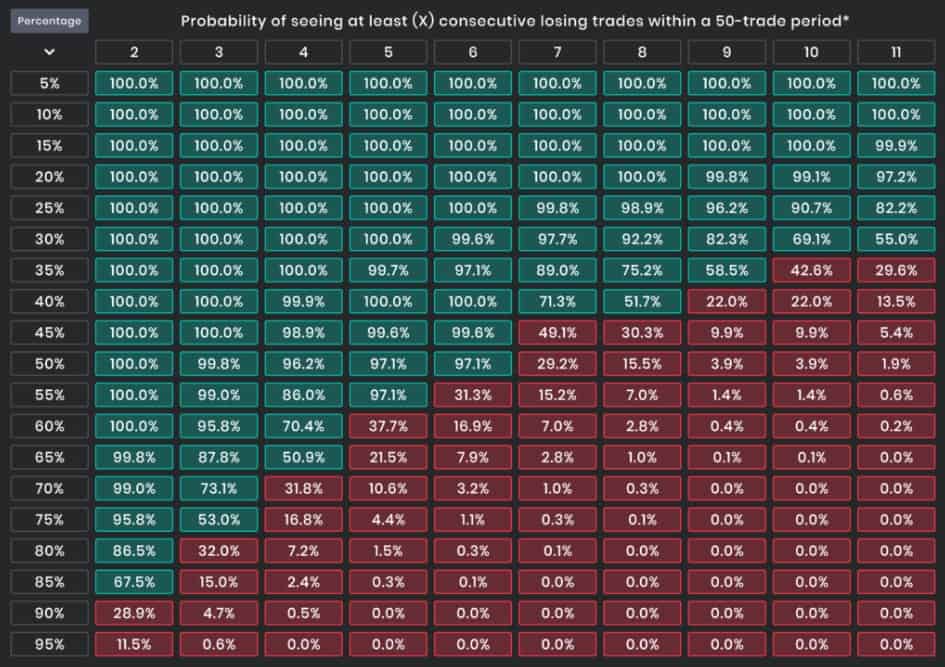
- Make necessary adjustments to your strategy based on your own data, performance reviews and market changes. But remember do not change you strategy if you don’t give it time. Strategies are not perfect an eventually you will have a drawdown period. Check our Drawdown Calculator
By following these steps and creating a detailed trading plan, you can increase your chances of achieving consistent profitability regardless if it is trading you own money or getting funded by a prop firm! .